




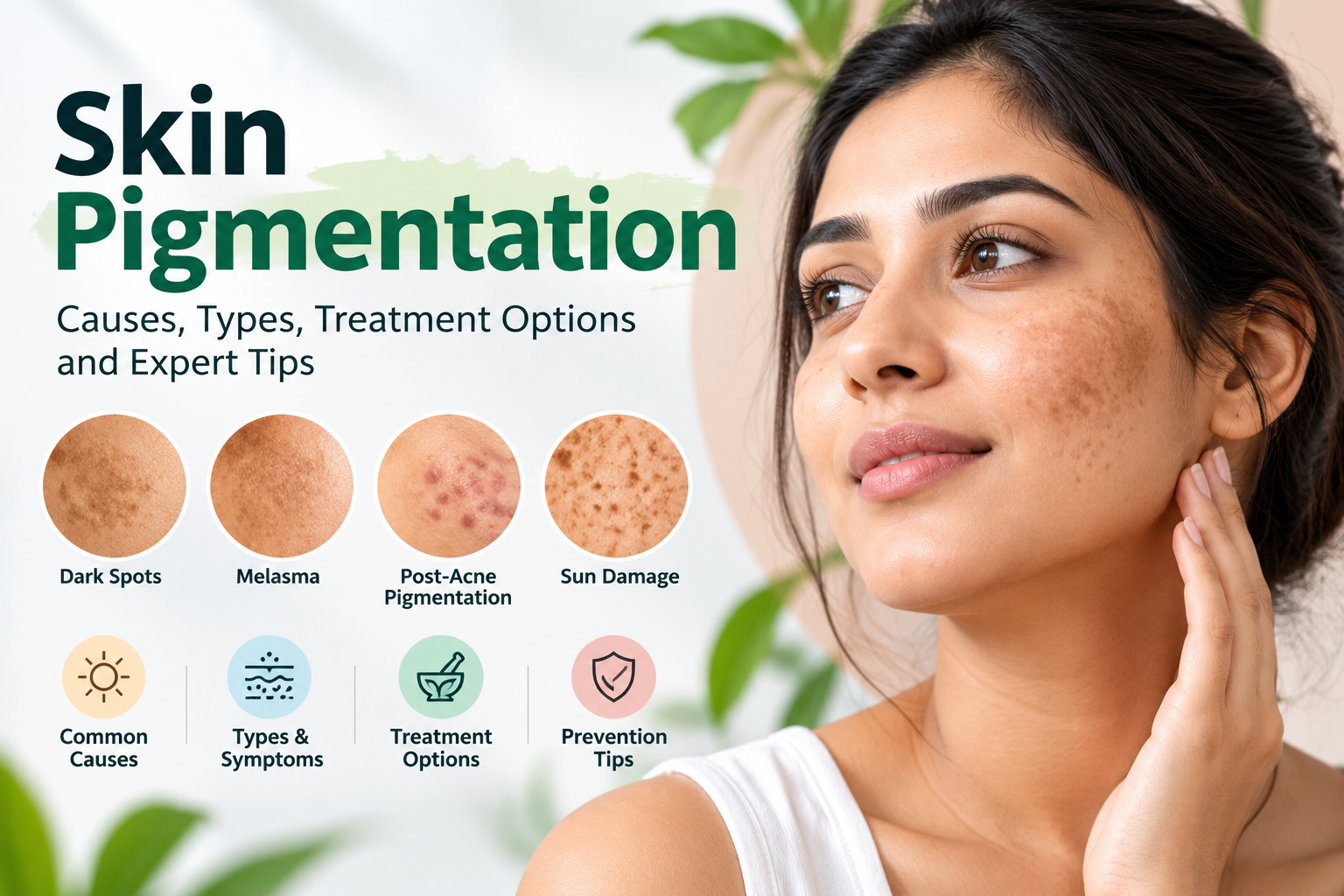
Uneven skin tone can develop gradually or appear after a particular skin problem. You might notice brown patches across your cheeks, marks left behind by acne, darker areas around the mouth or spots on the hands that become more visible with age. These changes are commonly described as skin pigmentation problems.
Finding the right skin pigmentation treatment begins with understanding why the colour change has occurred. Sun exposure, hormonal influences, inflammation, certain medicines and other skin conditions can all contribute to pigmentation. Because these causes are different, there is no single cream or procedure that works for everyone.
A suitable treatment plan may combine gentle skincare, sun protection and dermatologist-recommended products. Selected cases may benefit from a professional procedure, but the wrong treatment can irritate the skin and make pigmentation more noticeable.
Guide to Skin Pigmentation
- Understanding skin pigmentation
- Common pigmentation patterns
- Factors that contribute to dark patches
- How dermatologists assess pigmentation
- Building a pigmentation-friendly skincare routine
- Topical ingredients and prescription treatments
- Professional procedures
- Pigmentation care for darker skin tones
- Mistakes that may make pigmentation worse
- When to seek medical advice
- Frequently asked questions
Understanding Skin Pigmentation
Melanin is the natural pigment that contributes to the colour of the skin, hair and eyes. It is produced by specialised skin cells called melanocytes. Differences in melanin production and distribution help explain why people have different skin tones.
Hyperpigmentation occurs when certain areas of skin become darker than the surrounding areas. It may appear as brown, dark brown, greyish or black patches. The colour and appearance depend on the underlying cause and the location of the pigment within the skin.
Hyperpigmentation is a descriptive term rather than a single disease. Melasma, sun spots and post-inflammatory hyperpigmentation are different conditions that may require different treatment approaches.
Lighter patches of skin, sometimes described as hypopigmentation, are a separate concern. They may result from conditions that affect pigment production and should not automatically be treated with products intended for dark spots.
Common Pigmentation Patterns
Melasma
Melasma typically causes flat brown or grey-brown patches on the cheeks, forehead, upper lip or other sun-exposed areas. Patches may appear on both sides of the face.
Hormonal influences, sunlight and visible light may contribute. Melasma can improve with treatment but may return, making long-term prevention important.
Post-Inflammatory Dark Marks
Inflammation can leave dark marks after acne, eczema, insect bites, irritation or a minor skin injury. These are called post-inflammatory hyperpigmentation.
The marks may gradually fade, but fading can take months or longer. Repeated irritation may prolong the problem.
Sun-Related Spots
Long-term sun exposure can lead to flat brown spots on exposed areas such as the face, hands and arms. These are sometimes called solar lentigines or age spots.
A new or changing spot should be examined before any cosmetic treatment is attempted.
Dark Under-Eye Areas
Dark circles may be linked to pigmentation, visible blood vessels, thin skin, facial structure, allergies or shadows beneath the eyes.
Treatment depends on the cause. A pigment-lightening product may not help if the appearance is mainly related to anatomy or shadowing.
Dark Patches on the Neck
Darkened skin around the neck, armpits or groin may sometimes be thickened or velvety rather than simply more pigmented.
This appearance can be associated with acanthosis nigricans and may warrant assessment for an underlying medical condition.
Product-Related Discolouration
Irritating skin products, strong exfoliants, burns and some medicines can cause colour changes. The original trigger needs to be reviewed.
Continuing to apply a product that repeatedly burns or irritates the skin may worsen the marks.
What Can Cause Dark Patches on the Skin?
Sunlight and visible light
Ultraviolet radiation can stimulate melanin production and darken existing marks. Sun exposure can also contribute to the development or recurrence of certain pigmentation conditions. Visible light may worsen melasma in some people, particularly those with darker skin tones.
Hormonal influences
Melasma can be associated with pregnancy and hormonal changes. Some people notice pigmentation while using particular hormonal medicines. If you suspect a prescribed medicine is contributing, speak to the prescribing clinician rather than stopping it yourself.
Inflammation and skin injury
Acne, eczema and other inflammatory conditions may lead to dark marks after the active problem settles. Scratching, picking, burns and irritating cosmetic procedures can have the same effect.
Skincare products and medication
Certain products can irritate the skin or cause discolouration. Some medicines also produce pigment changes in selected patients. A medical review can help determine whether a product, medicine or underlying condition should be investigated.
Genetics and natural skin characteristics
Individual skin characteristics and family history influence the likelihood and persistence of some pigmentary conditions. People with more melanin may develop darker and longer-lasting marks after skin inflammation.
Underlying medical conditions
Certain patterns of pigmentation can be associated with metabolic, hormonal or other medical conditions. The location of the patches, their texture, when they appeared and accompanying symptoms all help guide the assessment.
How Do Dermatologists Assess Pigmentation?
Before selecting treatment, a dermatologist usually asks about when the discolouration started, whether it has changed, exposure to sunlight, previous rashes or acne, current skincare products and medicines, and any relevant medical history.
The skin is then examined to identify the likely pattern. A dermatoscope or Wood’s lamp may help assess selected conditions. Some cases need further investigation, and a biopsy may occasionally be recommended if a lesion looks unusual or the diagnosis remains uncertain.
Knowing the likely cause also helps set expectations. Surface pigment may respond differently from pigment that sits deeper in the skin, while some conditions may recur even after they improve.
A Daily Skincare Routine for Uneven Skin Tone
Gentle skincare and consistent sun protection form the foundation of care for many pigmentary conditions. They help reduce external triggers and may support other treatments recommended by a dermatologist.
Morning routine
- Cleanse gently: Use a mild cleanser that does not leave your skin burning or tight.
- Apply a suitable treatment: Use the topical product recommended for your condition, following its instructions.
- Moisturise: Use a moisturiser suited to your skin to help maintain the skin barrier.
- Apply sunscreen: Choose broad-spectrum SPF 30 or higher on exposed skin. Reapply as directed by the product, especially during outdoor activity.
Evening routine
- Gently remove sunscreen, makeup and daily dirt.
- Apply any prescribed night-time treatment as instructed.
- Use moisturiser to help limit dryness and irritation.
Should you use tinted sunscreen?
For melasma and selected persistent dark marks, a tinted sunscreen containing iron oxides may offer additional protection against visible light. This can be particularly helpful for people whose pigmentation worsens with light exposure. Choose a formulation you can use consistently.
Sunscreen cannot remove every existing mark by itself, but it helps reduce further darkening and supports the effectiveness of many treatment plans.
Topical Ingredients and Prescription Treatments
Pigmentation creams work in different ways. Some influence melanin production, some encourage skin-cell turnover, and others help treat conditions such as acne that trigger new dark marks. The appropriate ingredient and strength depend on the diagnosis and individual circumstances.
Azelaic acid
Azelaic acid may help selected forms of hyperpigmentation and can be useful when acne and dark marks occur together. Skin irritation or stinging may occur, especially on sensitive skin.
Vitamin C and niacinamide
Some skincare products containing vitamin C or niacinamide may help improve the appearance of uneven skin tone. Results vary with the formulation, cause of pigmentation and regularity of use. These ingredients are not guaranteed to remove stubborn patches.
Retinoids
Retinoids help regulate skin-cell turnover and may be used for selected pigmentation conditions and acne-related marks. They may cause dryness, redness or peeling. Retinoids should generally be avoided during pregnancy and when planning pregnancy; discuss treatment safety with a healthcare professional.
Hydroquinone and combination creams
Hydroquinone is a treatment for selected pigmentary disorders and may be prescribed by a clinician. Some treatment plans use a combination of medicines to reduce excess pigment and inflammation.
These products need careful instructions about where to apply them, how long to use them and how to manage side effects. Prolonged or inappropriate use can lead to irritation and, rarely, a persistent blue-black discolouration called exogenous ochronosis.
Avoid using combination creams containing potent corticosteroids as everyday skin-lightening products. They can cause skin thinning, visible blood vessels, acne-like eruptions and other problems when used incorrectly.
Oral medication in selected cases
A dermatologist may consider oral tranexamic acid for selected patients with melasma that is difficult to manage. This medicine is not suitable for everyone and can increase the risk of serious problems, including blood clots in susceptible individuals. It must not be started without a medical assessment.
How long does topical treatment take?
Pigmentation often fades gradually rather than overnight. Treatment may need to continue for weeks or months before a meaningful result can be assessed. Melasma can be particularly persistent, and many patients need ongoing sun protection and maintenance treatment.
Chemical Peels, Laser Treatment and Other Procedures
Professional procedures may be considered when suitable topical treatment is not enough or when a specific pigmentary condition may benefit from a procedure. Their suitability depends on the diagnosis, skin tone, depth of pigment and the risk of irritation or new pigmentation.
| Procedure | Possible role | Important consideration |
|---|---|---|
| Chemical peels | Selected superficial pigmentation and some uneven skin tone concerns. | Incorrect strength or technique can cause burns and worsening pigmentation. |
| Laser or light-based treatment | Specific lesions or selected difficult-to-treat conditions. | Requires correct diagnosis and careful selection, particularly for darker skin. |
| Microneedling | May have a role in selected cases as part of a broader treatment plan. | Skin injury can aggravate some pigmentary disorders; it is not suitable for everyone. |
| Combination treatment | May combine topical treatment with a suitable procedure. | Needs individual planning, safe timing and follow-up. |
The goal of a procedure is to improve the diagnosed condition while minimising complications. Results vary, and recurrence remains possible with conditions such as melasma.
Strong peels, home microneedling and unregulated laser devices can cause burns, scars, infection or permanent pigment changes. See a qualified dermatologist before undertaking a procedure for pigmentation.
Pigmentation Treatment for Darker Skin Tones
People with darker skin tones may be more prone to persistent post-inflammatory pigmentation after acne, eczema, skin injury or irritating treatments. This makes careful product selection and control of inflammation especially important.
A useful plan typically focuses on identifying the cause, protecting skin from sunlight, using tolerable products and adding stronger treatments only when appropriate. Aggressive procedures may create more inflammation and worsen the very pigmentation they were intended to treat.
- Choose gentle products and avoid routines that repeatedly cause burning or redness.
- Use broad-spectrum sunscreen regularly; consider a tinted formula containing iron oxides for melasma when suitable.
- Discuss prescription creams and their expected duration with a dermatologist.
- Seek a clinician with experience treating pigmentary disorders in skin of colour before a procedure.
- Report worsening colour changes or persistent irritation rather than continuing the same treatment.
Treatment is intended to manage the pigmentary condition and help restore a more even appearance, not to change your natural skin colour.
Common Mistakes That May Make Pigmentation Worse
Using strong creams without knowing the cause
Different conditions can look similar. A strong cream chosen without diagnosis may irritate the skin or delay investigation of a more serious lesion.
Using unregulated skin-lightening products
Some products marketed for fast whitening have been found to contain harmful or undisclosed ingredients, including mercury or potent steroids. Choose products from reliable sources and discuss prescription treatments with a qualified clinician.
Over-exfoliating
Scrubbing too hard or combining several exfoliating ingredients can disrupt the skin barrier. Inflammation can trigger new dark marks and make existing pigmentation more difficult to manage.
Expecting overnight results
Melanin-related changes may take months to fade. Frequent product changes can make it difficult to assess progress and may increase irritation. Follow a consistent, suitable plan and review it with your clinician.
Stopping prescribed medicines without advice
If a medicine appears to be linked to pigmentation, discuss it with the prescribing clinician. They can assess whether it is a likely cause and whether a safe alternative is available.
When Should You See a Dermatologist?
Consider professional advice if pigmentation is persistent, spreading, recurring or affecting your confidence. Medical assessment is particularly important when the cause is uncertain or the patches do not improve with appropriate skincare.
- Dark patches continue to worsen despite sun protection.
- Pigmentation starts after a new medicine or skincare product.
- Melasma returns repeatedly after treatment.
- Dark, thickened patches develop on the neck, armpits or groin.
- A product causes burning, persistent redness or additional discolouration.
- You are considering a chemical peel, laser treatment or other procedure.
- You are pregnant, planning pregnancy or breastfeeding and need to check treatment safety.
- A spot is new or changing, has irregular borders, develops multiple colours, bleeds or fails to heal.
A dermatologist can identify the likely cause, recommend appropriate treatment and explain realistic outcomes, costs, side effects and maintenance needs.
Frequently Asked Questions
1. What is the best treatment for skin pigmentation?
There is no single best treatment for every case. Sun protection and suitable topical treatments are common starting points, while selected patients may benefit from prescription creams or professional procedures. The correct approach depends on the cause and type of pigmentation.
2. Can pigmentation be removed permanently?
Some pigmentary changes can improve substantially, but permanent removal cannot be guaranteed. Melasma and certain other conditions may recur, so maintenance and prevention can remain important even after improvement.
3. Does sunscreen help reduce pigmentation?
Regular broad-spectrum sun protection helps prevent additional darkening and supports many pigmentation treatments. Tinted sunscreen containing iron oxides may provide useful visible-light protection for selected patients with melasma.
4. How long does pigmentation treatment take to show results?
Improvement may take weeks or months and varies according to the diagnosis, pigment depth, treatment and skin response. Melasma can be persistent and may require long-term maintenance.
5. Can acne leave permanent dark spots?
Acne can leave post-inflammatory dark marks that may fade gradually. These flat colour changes are not always permanent scars. Preventing further acne and avoiding picking can help reduce new marks.
6. Are chemical peels safe for Indian skin?
Selected peels may be appropriate, but the type, strength and technique must be chosen carefully. Skin irritation can cause additional pigmentation, so seek assessment from a qualified dermatologist familiar with darker skin tones.
7. Is vitamin C enough to remove dark spots?
Vitamin C-containing skincare may help improve some dark spots, but it is not a guaranteed treatment for every pigmentary condition. Diagnosis, sunscreen and a suitable overall plan remain important.
8. Why does pigmentation return after treatment?
Some conditions, especially melasma, can be triggered by sunlight, visible light, hormonal influences or other factors. Pigment may return even after improvement, making prevention and maintenance an important part of care.
9. Are natural remedies safe for pigmentation?
Natural does not always mean safe. Lemon juice, abrasive scrubs and untested mixtures can irritate skin and may worsen pigmentation. Use skin-formulated products and seek medical advice if the problem persists.
Final Thoughts
Managing skin pigmentation begins with understanding why the colour change has developed. Melasma, dark marks after inflammation, sun spots and other pigmentary conditions may need different treatment plans.
Gentle skincare, consistent sun protection and appropriate medical treatment can improve many pigmentation concerns. Avoid harsh or unregulated products, and seek professional assessment for persistent, changing or unexplained patches. A carefully selected treatment plan helps improve the appearance of the skin while reducing the risk of further irritation or discolouration.
Medical disclaimer: This article is for general educational purposes only and is not a substitute for professional medical advice, diagnosis or treatment. Pigmentation disorders can look similar but have different causes. Consult a qualified dermatologist for personalised advice, especially before using prescription medicines, skin-lightening creams or cosmetic procedures.
