




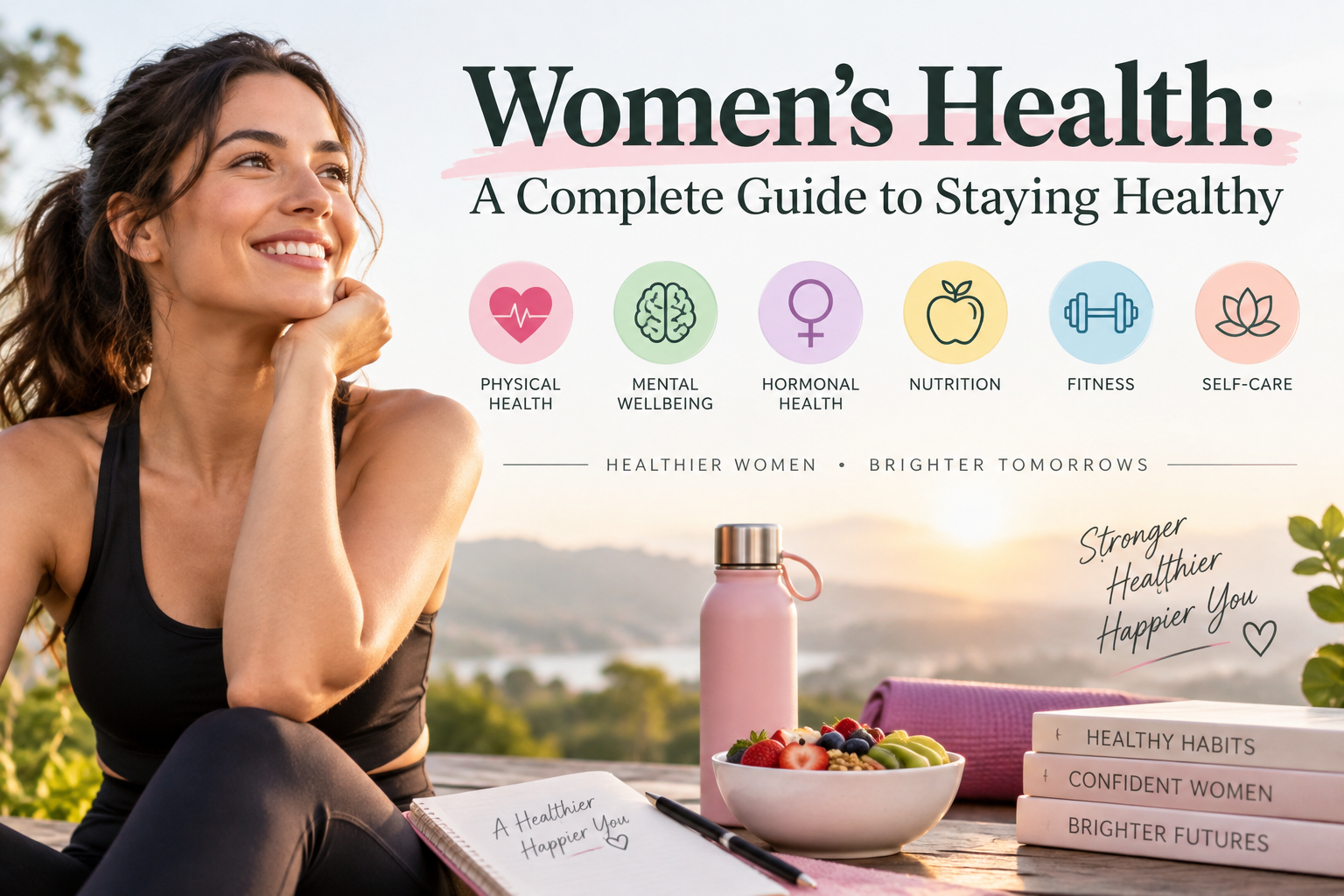
Women’s Health: A Complete Guide to Staying Healthy
Women’s health changes throughout life. From menstrual health and nutrition to pregnancy, mental wellbeing, menopause and preventive care, understanding your health can help you make informed decisions at every stage of life.
Women’s health changes throughout life. The needs of a teenager are different from those of a woman in her 30s, during pregnancy, after childbirth or around menopause.
Taking care of your health is not only about treating illness. Prevention, regular checkups, nutritious food, physical activity, adequate sleep, emotional wellbeing and paying attention to changes in your body all play important roles.
A healthy lifestyle does not have to be complicated. Small, consistent habits can make a meaningful difference over time.
What Does Women’s Health Include?
Women’s health covers much more than reproductive health. It includes physical, mental and emotional wellbeing throughout different stages of life.
- Heart and cardiovascular health
- Breast health
- Menstrual and reproductive health
- Pregnancy and postpartum care
- Hormonal health
- Bone and joint health
- Mental and emotional wellbeing
- Nutrition and healthy weight
- Sexual and urinary health
- Preventive healthcare and screening
- Healthy aging
Because health needs differ from one person to another, healthcare decisions should consider individual factors rather than relying only on age or gender.
1. Eat a Balanced Diet
Food provides the energy and nutrients your body needs for everyday activities, tissue repair and normal body functions.
A healthy eating pattern does not require eliminating entire food groups unless there is a medical reason to do so. Focus instead on variety, balance and nutritious foods.
Include More of These Foods
- Vegetables and leafy greens
- Seasonal fruits
- Whole grains
- Beans, lentils and other pulses
- Nuts and seeds
- Eggs, fish, dairy or other suitable protein sources
- Healthy sources of unsaturated fats
Important Nutrients for Women
Depending on age and individual circumstances, nutrients such as iron, calcium, vitamin D, vitamin B12, folate, protein, fibre and omega-3 fatty acids may be particularly important.
Women with heavy menstrual bleeding, restrictive diets, pregnancy or certain medical conditions may have different nutritional requirements. Supplements should be discussed with a healthcare professional when appropriate.
2. Stay Physically Active
Regular physical activity can support cardiovascular health, muscle strength, bone health, mobility and overall wellbeing.
You do not need an expensive gym membership to become more active. Walking, cycling, swimming, dancing, yoga and strength training can all be part of an active lifestyle.
Why Strength Training Matters
Maintaining muscle strength becomes increasingly important with age. Resistance exercises can support strength, mobility and independence.
- Bodyweight exercises
- Resistance bands
- Free weights
- Weight machines
- Other forms of resistance training
Make Movement Practical
If you spend many hours sitting, try adding short movement breaks during the day. Choose activities you enjoy because consistency is often easier when exercise fits naturally into your lifestyle.
3. Prioritize Sleep
Sleep is an important part of physical and mental health. Poor sleep may affect concentration, mood, energy, appetite and daily functioning.
Healthy Sleep Habits
- Keep a consistent sleep and wake schedule.
- Keep your bedroom comfortable and quiet.
- Limit stimulating activities close to bedtime.
- Avoid excessive caffeine late in the day.
- Create a relaxing bedtime routine.
If you regularly struggle with sleep, wake up gasping or choking, or remain unusually tired despite getting enough time in bed, speak with a healthcare professional.
4. Take Care of Your Mental Health
Mental health is an important part of women’s health at every age. Stress may come from work, family responsibilities, relationships, finances, caregiving, pregnancy, parenting or health concerns.
Signs You May Need Support
- Persistent sadness or hopelessness
- Excessive worry
- Irritability
- Loss of interest in activities
- Difficulty concentrating
- Changes in sleep
- Changes in appetite
- Feeling unable to cope
Mental health support may include counseling, psychological therapies, lifestyle changes, medication when appropriate or a combination of approaches.
5. Understand Your Menstrual Health
Your menstrual cycle can provide useful information about reproductive and overall health. Period patterns can change because of age, stress, pregnancy, breastfeeding, hormonal contraception, perimenopause and certain medical conditions.
Speak With a Healthcare Professional If You Experience
- Very heavy menstrual bleeding
- Persistent severe period pain
- Bleeding between periods
- Bleeding after sexual intercourse
- Sudden changes in your usual cycle
- Repeatedly missed periods without an expected explanation
- New pelvic pain
- Symptoms that significantly affect everyday life
Conditions such as fibroids, endometriosis, PCOS and thyroid disorders can affect menstrual patterns.
6. Know About PCOS
Polycystic ovary syndrome, or PCOS, is a hormonal and metabolic condition that can affect reproductive-age women.
- Irregular periods
- Problems with ovulation
- Acne
- Increased facial or body hair
- Hair thinning
- Weight-related concerns
Not every woman with PCOS experiences the same symptoms. PCOS may also be associated with insulin resistance and fertility difficulties.
If you have persistent irregular periods or symptoms suggesting a hormonal problem, a medical evaluation can help determine the cause.
7. Protect Your Heart
Cardiovascular health is important for women throughout adulthood. Risk can be influenced by blood pressure, cholesterol, diabetes, smoking, physical inactivity, family history, age and certain pregnancy-related conditions.
Heart-Healthy Habits
- Stay physically active.
- Eat a balanced diet.
- Avoid smoking.
- Monitor blood pressure when appropriate.
- Manage cholesterol and blood sugar when needed.
- Prioritize healthy sleep.
- Manage ongoing stress.
8. Pay Attention to Breast Health
Breast changes can occur naturally throughout a woman’s life. Hormonal changes may affect breast tenderness and texture during menstruation, pregnancy and menopause.
However, new or persistent changes should be evaluated by an appropriate healthcare professional.
Seek Medical Advice If You Notice
- A new or persistent breast lump
- A change in breast shape or size
- Unusual nipple discharge
- Nipple inversion or skin changes
- Persistent localized breast pain
- Unexplained thickening or other breast changes
Breast cancer screening recommendations depend on age and individual risk. Discuss the appropriate screening schedule with your healthcare provider.
9. Do Not Ignore Bone Health
Bone health becomes increasingly important as women age, particularly around and after menopause. Osteoporosis can weaken bones and increase fracture risk.
- Age
- Menopause
- Family history
- Physical activity
- Nutrition
- Smoking
- Certain medications
- Some medical conditions
Weight-bearing activity and resistance exercise can support bone and muscle health. Screening decisions should be based on age and individual risk.
10. Understand Pregnancy and Preconception Health
If you are planning pregnancy, preconception healthcare can help identify conditions, medications or lifestyle factors that may need attention.
Topics to Discuss Before Pregnancy
- Existing medical conditions
- Medications and supplements
- Vaccinations
- Nutrition
- Folic acid
- Weight and lifestyle
- Previous pregnancy complications
- Family medical history
During pregnancy, regular antenatal care helps monitor the health of the mother and baby. Conditions such as high blood pressure and gestational diabetes may require specific monitoring.
11. Take Postpartum Health Seriously
The period after childbirth involves major physical and emotional changes. Recovery may involve bleeding, breast changes, sleep disruption, hormonal changes and pelvic floor changes.
Postpartum care is important. Persistent pain, heavy bleeding, fever, wound problems, severe headache, breathing difficulties, chest pain or significant emotional symptoms require medical attention.
Postpartum Mental Health Matters
Postpartum depression and anxiety are real and treatable health conditions. New mothers should seek professional support when emotional symptoms are persistent, severe or affecting everyday life.
12. Prepare for Menopause
Menopause is a natural stage of life that marks the end of menstrual periods. The transition leading up to menopause is called perimenopause.
Common Symptoms May Include
- Hot flashes
- Night sweats
- Sleep difficulties
- Changes in menstrual cycles
- Vaginal dryness
- Mood changes
- Changes in sexual health
Not every woman experiences menopause in the same way. A healthcare professional can help distinguish expected menopausal changes from symptoms caused by another medical condition.
13. Maintain a Healthy Weight Without Extreme Diets
Healthy weight management is about sustainable habits rather than rapid changes. Very restrictive diets may be difficult to maintain and may not provide enough nutrients.
- Eat balanced meals.
- Choose appropriate portions.
- Stay physically active.
- Include adequate protein and fibre.
- Get enough sleep.
- Manage stress.
- Focus on consistency.
Weight alone does not provide a complete picture of health. Your individual medical history and circumstances should be considered when planning weight management.
14. Look After Your Sexual and Urinary Health
Sexual and urinary health are important parts of overall wellbeing. Women may experience urinary infections, urinary incontinence, vaginal infections, vaginal dryness, pelvic floor problems or pain during sexual activity.
Persistent pelvic pain, unusual vaginal discharge, bleeding after sex, pain during sex, burning urination or recurrent urinary infections should be discussed with an appropriate healthcare professional.
15. Keep Up With Preventive Health Screenings
Preventive care can help identify certain health problems before symptoms become obvious. The appropriate screening schedule depends on age, personal health history, family history, pregnancy history, lifestyle and individual risk.
Depending on your circumstances, preventive care may include screening for breast cancer, cervical cancer, osteoporosis, diabetes, high blood pressure and other health conditions.
Important
Screening recommendations can change and may differ between countries. Always confirm the appropriate screening schedule with a qualified healthcare professional.
Women’s Health Checklist
Every Day
- Eat a variety of nutritious foods
- Drink enough fluids
- Move your body
- Avoid smoking
- Get adequate sleep
- Make time for mental wellbeing
Regularly
- Check your blood pressure when appropriate
- Review medications and supplements
- Attend recommended health screenings
- Discuss persistent symptoms with a healthcare professional
- Review your family health history
- Maintain dental and eye care
When Should a Woman See a Doctor?
You do not need to wait until a health problem becomes severe before seeking medical advice.
Arrange a medical evaluation for symptoms that are:
- New
- Persistent
- Getting worse
- Repeatedly returning
- Affecting daily activities
- Causing significant pain
- Associated with unexplained bleeding
- Associated with unexplained weight changes
- Affecting menstrual or reproductive health
Some symptoms require urgent medical attention, including severe chest pain, difficulty breathing, sudden weakness, heavy uncontrolled bleeding, severe abdominal pain or fainting.
Simple Habits That Can Make a Difference
Eat better: Add more vegetables, fruits, whole grains, pulses and other nutritious foods.
Move more: Choose an activity you enjoy and can maintain consistently.
Sleep better: Create a regular bedtime routine.
Know your numbers: Monitor health measurements when appropriate.
Know your body: Pay attention to unusual or persistent changes.
Keep appointments: Stay up to date with recommended preventive care.
Ask questions: Talk openly with your healthcare professional about your health concerns.
